Keeping athletes in the game: Smart injury prevention for every season
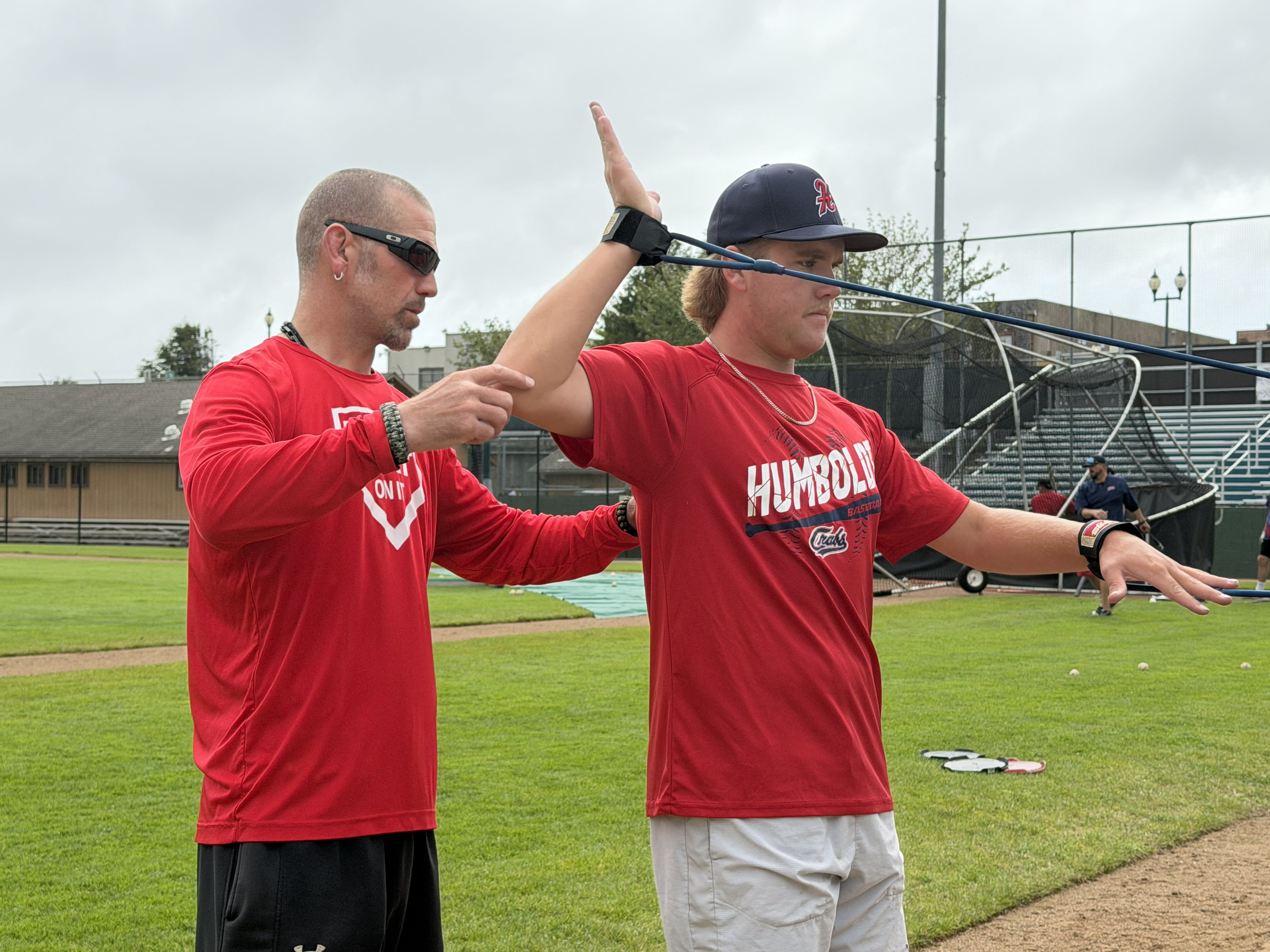
One of those key team members is Dr. Erik McGoldrick, orthopedic surgeon with Providence Medical Group Humboldt and the Humboldt Crabs’ team physician. His work extends far beyond the ballpark, offering practical, real-world guidance to athletes of all levels — from youth players to weekend warriors — on how to stay active and avoid injury.
Supporting the Crabs: A Commitment On and Off the Field
As a shoulder and elbow specialist, Dr. McGoldrick is uniquely positioned to care for baseball athletes, whose sport requires repetitive overhead motion and precise mechanics.
“Working with the Crabs gives me the opportunity to connect with young athletes and support their long-term health while they pursue their goals,” he says. “Our focus is helping them stay on the field today without compromising their future.”
Dr. McGoldrick collaborates closely with Head Athletic Trainer Nathan Kees, forming a highly coordinated care team that blends prevention, performance and recovery strategies.
“Our goal is to keep athletes performing at their best while reducing the risk of injury,” says Kees. “Dr. McGoldrick is the ‘shoulder guy’. He reached out when he moved into town. Having access to a local orthopedic surgeon and physician, knowing he’s a phone call away and here to see these kids if something goes wrong – makes our players very comfortable. Should they experience an issue, they can get a preliminary opinion right here on the field.”
Their long-standing partnership has helped shape training and injury prevention programs grounded in both research and firsthand experience. Just as importantly, their work reflects a strong connection to the community.
What Happens Behind the Scenes on Game Day
While the game unfolds in front of the crowd, much of the real work happens out of sight. The training staff carefully monitors athletes during warmups, practices and games, noting any signs of discomfort or fatigue.
When needed, Dr. McGoldrick steps in to evaluate injuries, provide diagnoses and determine the next steps — whether that’s continued play, rest or treatment.
Sometimes, care is immediate.
“There was a time a player dislocated his shoulder during pregame warmups,” Dr. McGoldrick recalls. “I was able to reduce it right there on the field. It’s not something you see often, but it shows how important it is to have a team ready to respond.”
Starting Something New? Take It Slow
Outside of baseball, Dr. McGoldrick frequently treats injuries caused by doing too much, too soon. Shoulder strains and rotator cuff injuries are especially common when people jump into new activities without adequate preparation.
His advice is simple: progress gradually.
Whether you’re picking up pickleball, trying CrossFit or hitting the trails for mountain biking:
- Build intensity slowly
- Avoid sudden increases in activity
- Focus on developing strength and endurance over time
“There’s a reason athletes have a preseason,” he notes. “Your body needs time to adapt.”
Helping Young Athletes Thrive
For young athletes, one of the most effective ways to prevent injury is also one of the simplest: play more than one sport.
Early specialization — focusing on a single sport year-round — can increase the risk of overuse injuries. Instead, participating in multiple sports helps develop a wider range of skills and reduces repetitive strain.
Tips for youth athletes:
- Avoid playing the same sport year-round
- Encourage cross-training and varied activities
- Prioritize long-term health over short-term success
Know the Warning Signs
Catching small issues early can prevent more serious injuries later. Dr. McGoldrick encourages athletes to pay attention to:
- Ongoing muscle tightness (especially in areas like the hamstrings)
- Decreased joint mobility
- Pain or discomfort that worsens with activity
“Loss of motion is often one of the first indicators that something isn’t right,” he explains.
For those returning to activity after time off, easing back in is essential. Strength, coordination and flexibility all take time to rebuild.
When It’s Time to Get Checked Out
Not every ache or strain requires medical attention, but some situations shouldn’t be ignored.
For minor injuries, gentle movement and strengthening over four to six weeks often lead to improvement. However, it’s important to seek care sooner if you experience:
- A significant fall or impact
- Severe or persistent pain
- Difficulty moving a joint or limb
Early evaluation can help rule out serious injury and ensure proper healing.
A Community Focus on Staying Active
From caring for collegiate-level athletes to supporting active adults, Dr. McGoldrick’s work reflects a broader mission: helping people stay healthy, active and doing what they love.
His role with the Humboldt Crabs is just one example of that commitment — bringing high-quality, team-based care to both the field and the wider community.
Learn more about Providence Medical Group Eureka Orthopedics.