Starting the conversation: How to tell when someone may be struggling
October 2026
Mental health concerns are not always easy to recognize. Changes in mood, behavior or daily routines can sometimes be early signs that someone may need support.
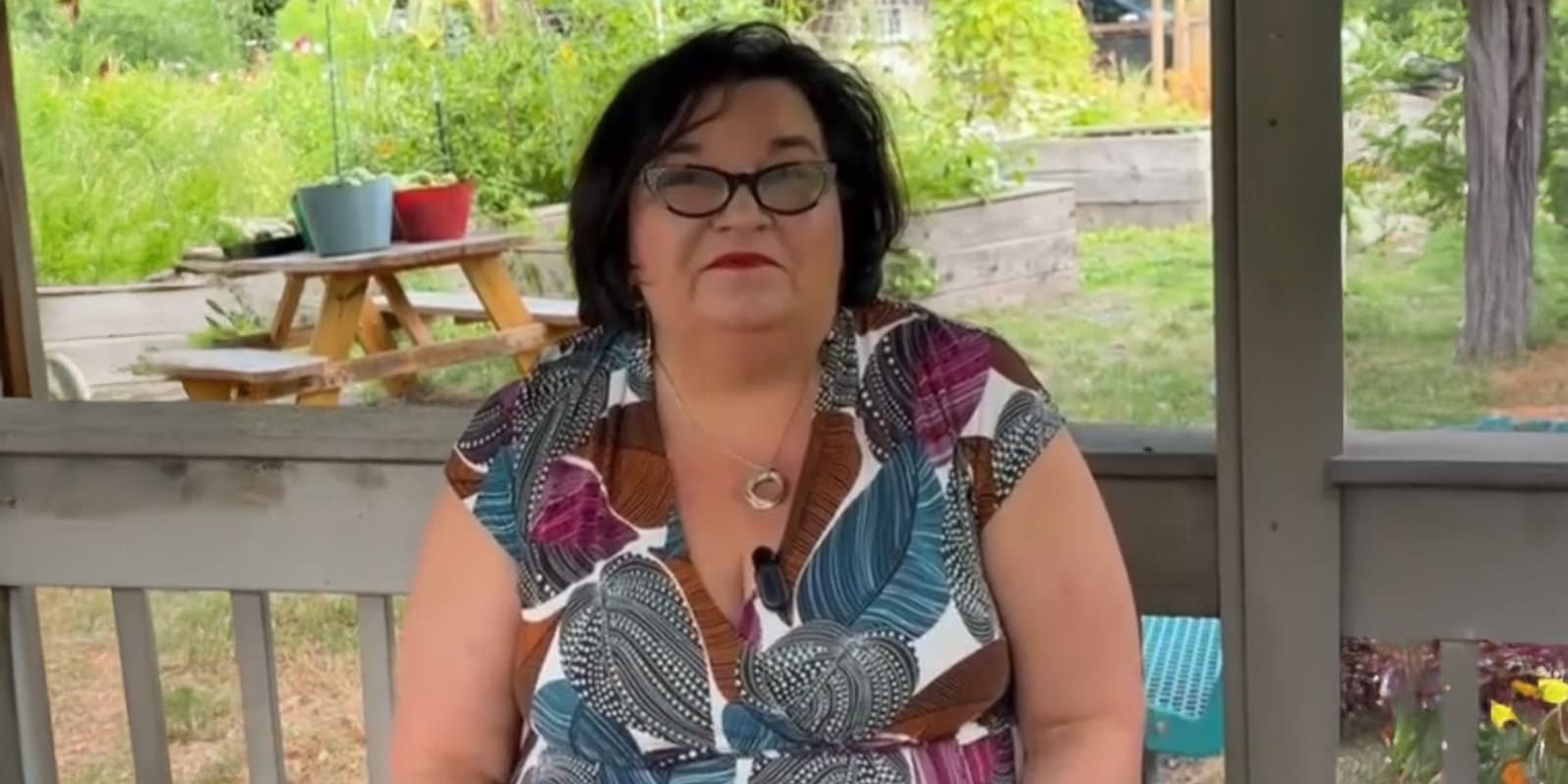
Robin Henderson, Psy.D., chief executive of Behavioral Health for Providence Oregon, encourages people to trust their instincts and reach out when something feels different.
According to Dr. Henderson, one of the biggest indicators is a noticeable change in someone's usual behavior. That might include withdrawing from friends and family, changes in sleep or exercise habits, decreased communication or increased emotional reactions such as anger, sadness or irritability.
“One sign someone can be struggling can be as simple as they just don't seem to be themselves," she says.

Watch Dr. Henderson's video on Instagram
Why speaking up matters
Many people worry that asking about suicide could make someone more likely to consider it.
Dr. Henderson says that's a myth.
“The biggest myth out there is the idea that if you talk about suicide, it's going to make someone suicidal," she says. "If you think someone's suicidal, ask them.”

Watch Dr. Henderson's video on Instagram
Creating space for connection
When reaching out, Dr. Henderson recommends choosing a quiet setting where the person feels comfortable and heard. Sometimes, a simple conversation may be the first step toward getting someone the support they need.
“I'm here to listen. How can I help?” can be a powerful place to start.
“Best way to start a conversation with a loved one you're worried about is to make sure that you're somewhere where you can pay attention and you can listen and they can feel heard,” Dr. Henderson says.
Watch Dr. Henderson's video on Instagram